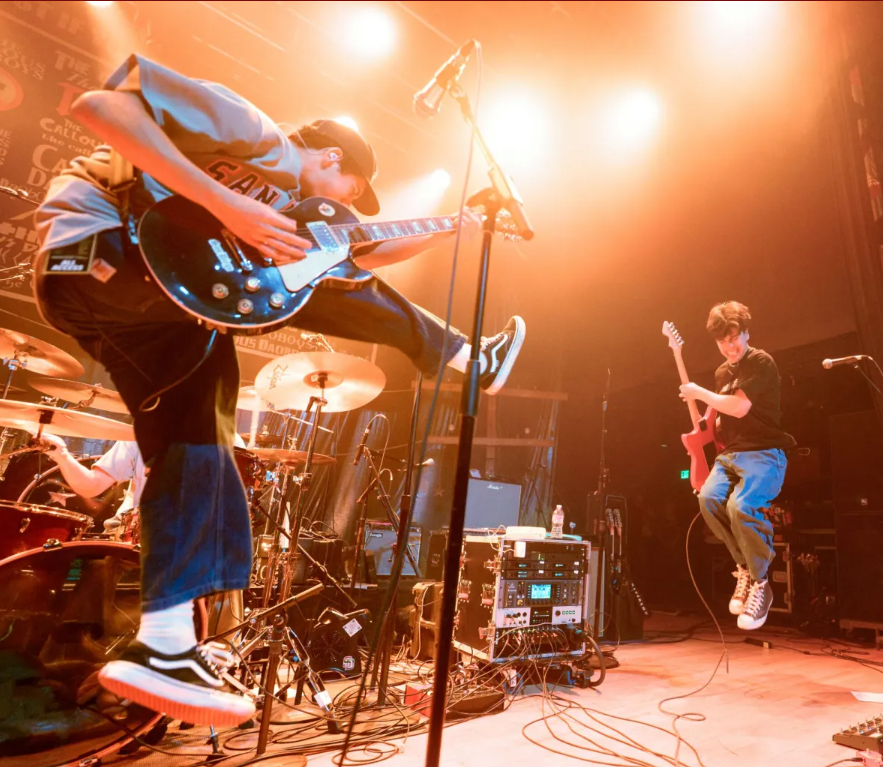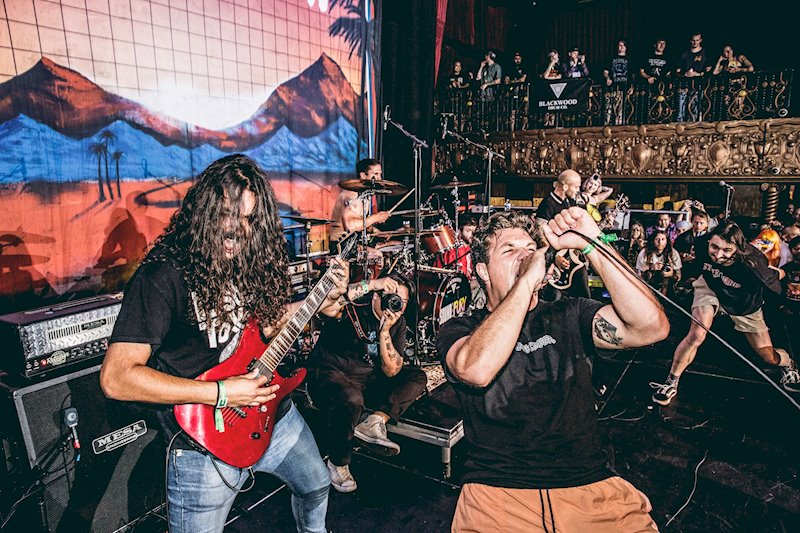
With roots in underground and DIY punk culture, the abrasive, energetic genre of music known as hardcore had never seen significant mainstream success. The music and shows were sanctuary for the fans, a deviation from mainstream music and pop culture, a place to let loose and be who they want to be. The genre grew as well; people and musicians from all different backgrounds took their hardcore bands and infused other musical genres and cultures into their music to expand the “core” genre. Because of this, hardcore is bigger than ever and is able to reach more listeners than ever while still retaining its local/underground status and DIY edge. Bands like Turnstile, Drain, and Knocked Loose are demonstrating how the music can capture the hearts of fans, even in the mainstream, while still maintaining the energy and culture that the scene is rooted in.
The hardcore scene stemmed from all areas of the United States in response to the more corporate and refined “punk” of the 80s. Bands like Black Flag from So-Cal, and Minor Threat from D.C. were at the forefront of the movement, taking the punk style of the Ramones a step further with faster tempos, aggressive lyrics, and extremely energetic shows. This idea of taking what came before and adding one’s unique artistic flayer to the genre is what has allowed hardcore to expand and grow today. Bands like Suicidal Tendencies, Stormtrooper of Death, and Municipal Waste blended classic 80s thrash metal with hardcore to create “crossover.” Avenged Sevenfold and Killswitch Engage would take it a step further and lead the “metalcore” movement. The list of genres that stem from hardcore go on and on. Yet hardcore for a long time was for the most part strictly confined within its own scenes and communities with very little mainstream success. However, the infusion of other musical influences into hardcore has allowed the genre to break through to the mainstream on multiple occasions and has been attracting more fans than ever.
One of the bands at the forefront of mainstream cultural success in Turnstile, which has taken hardcore and infused R&B and psychedelic into it to create something that has really spoken to its fans. This past June Turnstile released its fourth full length album Never Enough which is being nominated for five Grammys. In support of its release, Turnstile has spent the last third of this year touring North America and Europe and is going to be finishing this year and beginning 2026 in Australia. Another hardcore band that has received mainstream attention is Knocked Loose which received media coverage for its live performance on Jimmy Kimmel Live last November, in which members of the audience formed a mosh pit. While the “metalcore” performance was certainly jarring to new listeners, Knocked Loose’s performance on national television demonstrated how far the genre had come from its underground origins.
The last band I want to talk about is Drain, from Santa Cruz. It just released its third record “…Is Your Friend” and will be going on a headline tour in support of it next spring. Coming from thrash metal and crossover backgrounds, Drain has built a name for itself with its fast, energetic, and most of all, fun performances. Its music, performances, energy, and the whole aesthetic is just fun. In my opinion Drain represents every great part of hardcore: the excitement, the rawness, the energy, and the community. Basement guitarist Alex Henery explained it best to Rolling Stone: “With mainstream stuff, usually the focus is on the band or the artist. And then you go to maybe a smaller show, or a local show, and you realise the level of community there… it is a living organism, which is so cool. It’s something that you can just become a part of. And that’s what drew me into it, and what I found most exciting about it” (Rolling Stone).