

Citypop Origins:
Citypop originated roughly in 1970s Japan, when Japanese folk songs began to shift their focus to lyrics. A sizable number of artists were influenced by Western songs and culture, most prominently the U.S..
Citypop was influenced specifically by U.S. pop songs, jazz, rock, and Black music genres– which created a new genre of music: Citypop.
Singers of Japan during this time period such as Ohnuki Taeko, Matsubara Miki, Takeuchi Mariya, Yoshida Minako, Aran Tomoko, Yahusa, Anri, Yagami Junko, Yamashita Tatsuro, and many others are prime examples of pioneers and well known singers of the genre.
In the 80s, Citypop hit the (global) mainstream as Japan experienced a skyrocket in economic success, as well as westernization being incorporated into Japanese society and music culture.
Citypop had a slow start in Japan, but garnered worldwide recognition from its unique beats, and, in non-Japanese speaking populations, the mystery of the lyrics, as such can be observed in the song Ue o Muite Arukou, or its better known title; Sukiyaki by Sakamoto Kyu– which gained international popularity with its gloomy lyrics performed in an unexpectedly cheery manner.
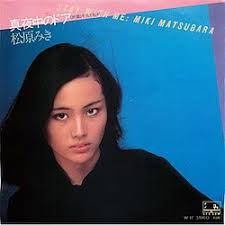
The overall style of Citypop helped it to gain traction, from its lyrics about Japanese cosmopolitan life, love and heartbreak, vivid-colorful album covers, and the sense of nostalgia that comes with listening to it.
The Rise and Fall of Citypop:
Citypop had many rises of popularity in Japan, but in the U.S. during the early 2000s, Citypop became nostalgic for many people that hadn’t even been alive or experienced life in 80s to 90s Japan. A rose tinted version of Japan was formed through this.
With the sensation of Citypop introduced to the U.S. the genre quickly gained popularity.
Citypop finally skyrocketed again in the U.S. when 2010s YouTube algorithm boosted reposted Citypop songs, introducing people to a unique type of music from Japan. 80s to 90s anime has also popularised the genre throughout the years due to its iconic art style and imagery.
Takeuchi Mariya’s “Plastic Love” and Matsubara Miki’s Mayonaka no Door/Stay With Me introduced many people to the genre through reposts of the songs on Youtube, of which had previously been greatly unavailable to Western audiences.
With the resurgence of Citypop, the world of music may be changing, and as it is supported by the popularization of Japanese and Asian media or culture—music, culture, and language may be shared globally, and appear to a greater range of audience.







Michael Ligot • Nov 21, 2025 at 10:54 am
I really liked this article. Stay with Me is my favorite song of all time, and it got me through some struggles, especially during my grandfather’s decline. Thank you for this article, it means a lot to me 🙂